
Seasonal Home Refresh: An Autumn Checklist for Warmth and Light
Autumn rarely announces itself. One evening the light goes thin and grey by five o'clock, the floor feels cold underfoot, and you find yourself reaching for the jumper you put away in April. The house notices the change long before you do. A few deliberate adjustments now will carry you through to spring far more comfortably than a panicked weekend in November.
Start with the Light
Before you touch the thermostat, deal with the light. Shorter days and a lower sun make rooms feel dimmer than they are, and dim rooms feel colder than they are too. Swap cool white bulbs for warm white ones — around 2700K is the usual sweet spot for living rooms and bedrooms — and keep brighter, cooler light for kitchens, hallways and anywhere you read or work.
Then layer it. One ceiling light in the middle of a room is harsh and slightly sad. Add a table lamp, a floor lamp and something small on a shelf so light comes from three heights rather than one. A dimmer switch on the main light costs very little and changes the whole evening.
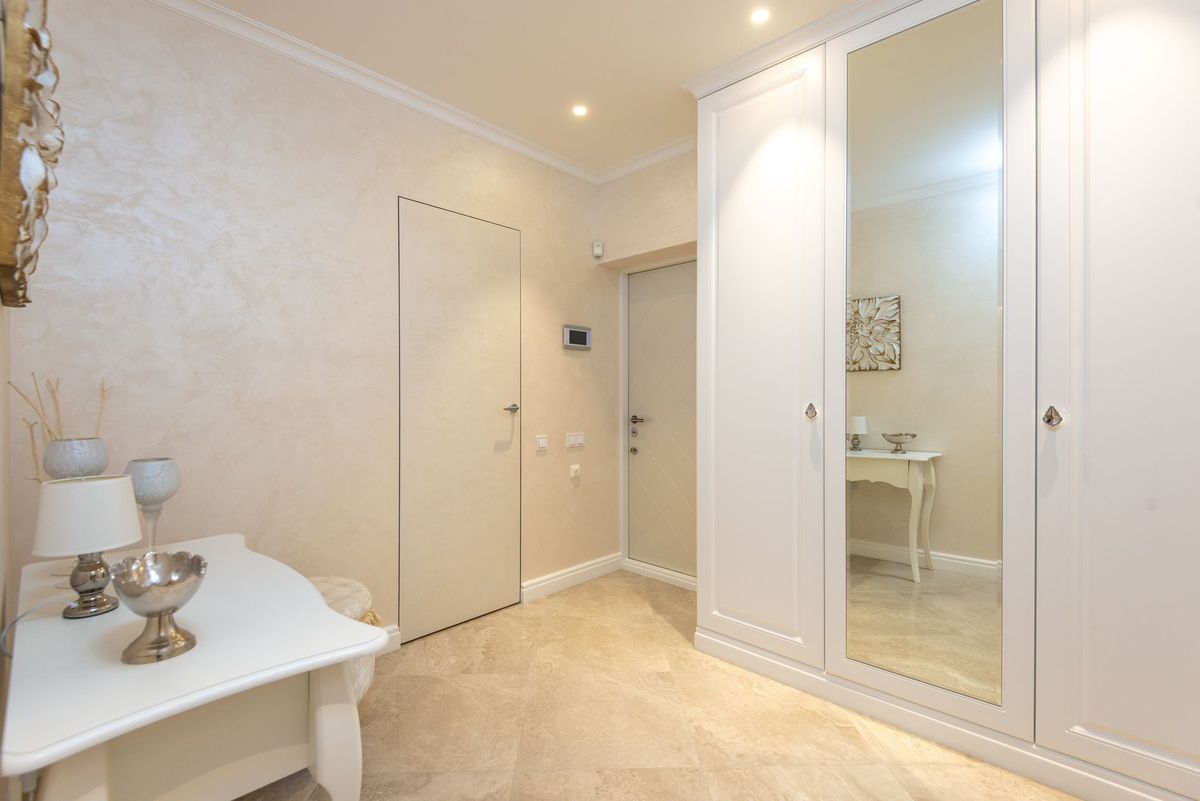
Two jobs people forget: clean the windows inside and out, and dust the lampshades. Grime on glass and a film of dust on a shade both quietly steal light. A mirror hung opposite a window doubles whatever daylight is left, which matters most in narrow hallways and north-facing rooms.
Stop the Draughts Before You Reach for the Heating
Cold air creeping in at skirting level will undo an hour of heating. Work your way round the ground floor and you will usually find the culprits within twenty minutes.
- Fit a brush strip to the inside of the letterbox and a cover over the keyhole.
- Add a draught excluder to the bottom of the front and back doors, or make a fabric door snake for the worst offender.
- Seal gaps around pipes where they pass through walls, under sinks and behind kitchen units.
- Check sash and casement windows for rattles; foam or brush strips along the frame often solve it. Secondary glazing film is a cheap fix for a single cold window.
- If you have an unused open fireplace, a chimney balloon or draught excluder stops a surprising amount of cold air.
A word of caution: a house should breathe. Do not seal a room so tightly that condensation forms on the glass, and never block air bricks, trickle vents or extractor fans. Kitchens and bathrooms need ventilation, and any room with a gas appliance or open fire needs a safe air supply. If you are unsure whether a chimney or flue can be closed off, ask a qualified heating engineer rather than guessing.
Layer the Textiles — and Think in Threes
Textiles do more for a room's warmth than almost anything else, and they are easy to change with the season. The trick is to layer rather than buy one heavy thing.
In the living room, start with a rug if you have bare boards, then add a wool throw over the back of the sofa and a sheepskin on the chair nobody wants to leave. Swap lightweight linen cushion covers for wool, velvet or corduroy, and put a runner down the hallway, where cold floors are most noticeable.
At the windows, floor-length curtains make a real difference — heat escapes downwards, and a curtain that stops short of the sill leaves a gap. Thermal linings, or a second pair hung on a separate pole, add another layer. Draw them at dusk and open them properly in the morning to let any sun in.
For the bedroom, move from a 4.5 tog duvet to something warmer, add a mattress topper, and consider brushed cotton sheets. A folded throw at the foot of the bed gives you something to pull up at three in the morning without getting out of it. Wash summer bedding before storing it, and use cotton bags rather than plastic so it does not go musty.
Small Updates That Change How a Room Feels
None of these take a weekend, and together they do more than a full redecoration.
- Pull seating away from radiators and a few inches off the wall so warm air can circulate.
- Move a lamp to the corner you actually sit in, rather than the one that was convenient for the plug.
- Swap two pictures for something darker and warmer, or reframe what you already have.
- Group candles on a tray with a box of matches, ready to use rather than decorative.
- Bring in a bowl of quinces or apples, a jug of dried stems, or a pot of ivy for the hall.
- Change the doormat and the hand towel by the sink — small things you touch daily.
- Choose a scent for the season. Something woody or spiced, used sparingly, is more convincing than a room that smells of three candles at once.
Your Autumn Weekend Checklist
Saturday
- Clean windows and lampshades; replace any dead or mismatched bulbs with warm white.
- Walk the ground floor with your hand at skirting height and note every draught.
- Fit excluders, covers and strips; test that doors still close properly.
- Wash curtains or give them a good shake, and rehang them so they reach the sill.
Sunday
- Bring down the winter bedding, throws and rugs; wash and store the summer versions.
- Rearrange one room so nothing blocks a radiator and light reaches the corner you sit in.
- Clean the gutters and drain covers before the leaves fall in earnest, and store garden furniture or cover it properly.
The Boring Jobs That Keep You Warm
While you are up a ladder or in the cupboard under the stairs, deal with the practicalities. Test the smoke alarms and the carbon monoxide alarm, replace the batteries, and note the date. Book a boiler service before the first cold snap, when every engineer in the county is fully booked. Bleed radiators that are warm at the bottom and cold at the top, and check that external lights and timers still work now that the evenings are dark.
Any work on gas appliances, flues or heating systems should be carried out by a registered engineer. If your home is rented, report draughts, faulty heating or damp to your landlord in writing — it is their responsibility, not yours.
If You Only Have an Hour
Choose three things: warm white bulbs in the two rooms you use most, a draught excluder on the front door, and the heavier duvet on the bed tonight. Live with those for a week. You will quickly notice which room still feels cold, and the next fix will be obvious. Autumn is a slow season — there is no need to do it all at once.
Photo: Nathan J Hilton / Pexels

You Might Also Like
Carpet, laminate, vinyl and engineered wood compared on durability, cost and maintenance — with practical advice on which flooring works best in each room of a busy family home.
A practical beginner's guide to transforming second-hand furniture: how to choose a solid piece, prep it properly, paint in thin coats, and seal it for a durable finish.