How to Create a Cosy Reading Nook in a Small Corner
Every home has one: the corner holding a dying houseplant, a bag of charity-shop donations and a tangle of extension leads. It is usually the spot with the least foot traffic and the best light, which makes it the obvious place for a reading chair. You do not need a spare room, a bay window or bespoke joinery. You need roughly a square metre, a chair you genuinely want to sit in, and the resolve to stop using that corner as a dumping ground.
Measure before you buy anything
It is easy to fall for a chair online and then discover it swallows the corner whole. Clear the space, then check the practicalities. A compact armchair usually needs about 75cm of wall and 80cm of depth once you allow it to recline slightly. A footstool adds another half metre in front. In a tight corner, that is often the difference between a nook that works and one you squeeze past sideways.
A useful trick: mark the footprint on the floor with masking tape, or lay out sheets of newspaper to the same size. Live with it for a day. You will quickly notice whether you can still open the door, reach the curtain, or walk past without turning sideways.
- Measure the width and depth of the floor space, wall to wall
- Leave enough room to walk past comfortably, not just squeeze
- Note radiators, plug sockets, light switches and door swings
- Decide whether you want a footstool before you commit to a chair size
Pick a seat you will actually sit in
Reading posture is different from perching with a cup of tea. You want your feet flat on the floor or supported by a stool, your back supported without slouching, and your elbows resting on the arms without your shoulders creeping upwards. If you can, sit in the chair for twenty minutes before buying. If you order online, check the returns policy and test it properly at home rather than in the hallway.
Small corners do not have to mean small comfort. A few options work well:
For very tight spaces
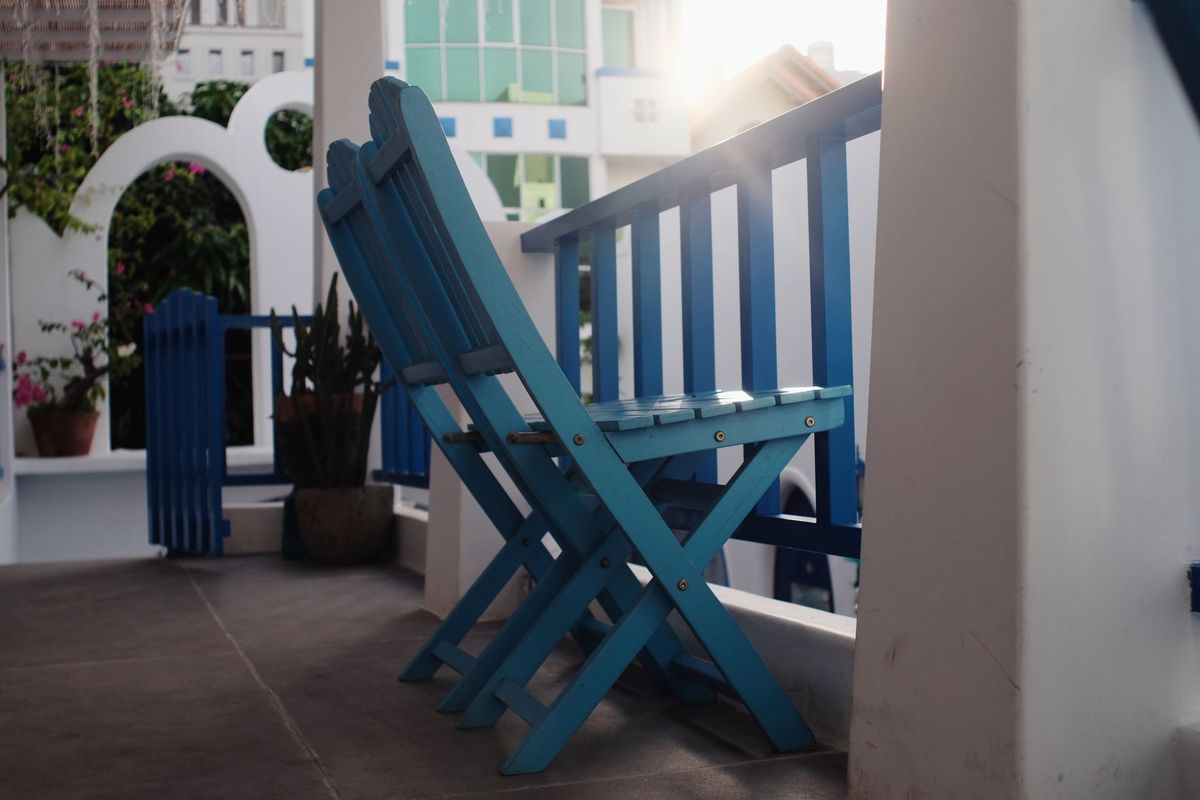
An armless accent chair or slipper chair takes up noticeably less room, and a folding chair with a sheepskin thrown over it can be hung on a hook when not in use. A window seat with a couple of firm cushions is ideal if you have a deep enough sill.
For a softer, lower feel
A large floor cushion and a low stool suit readers who like sitting cross-legged. This arrangement feels relaxed, but be honest about whether you can get up from it comfortably.
Second-hand finds
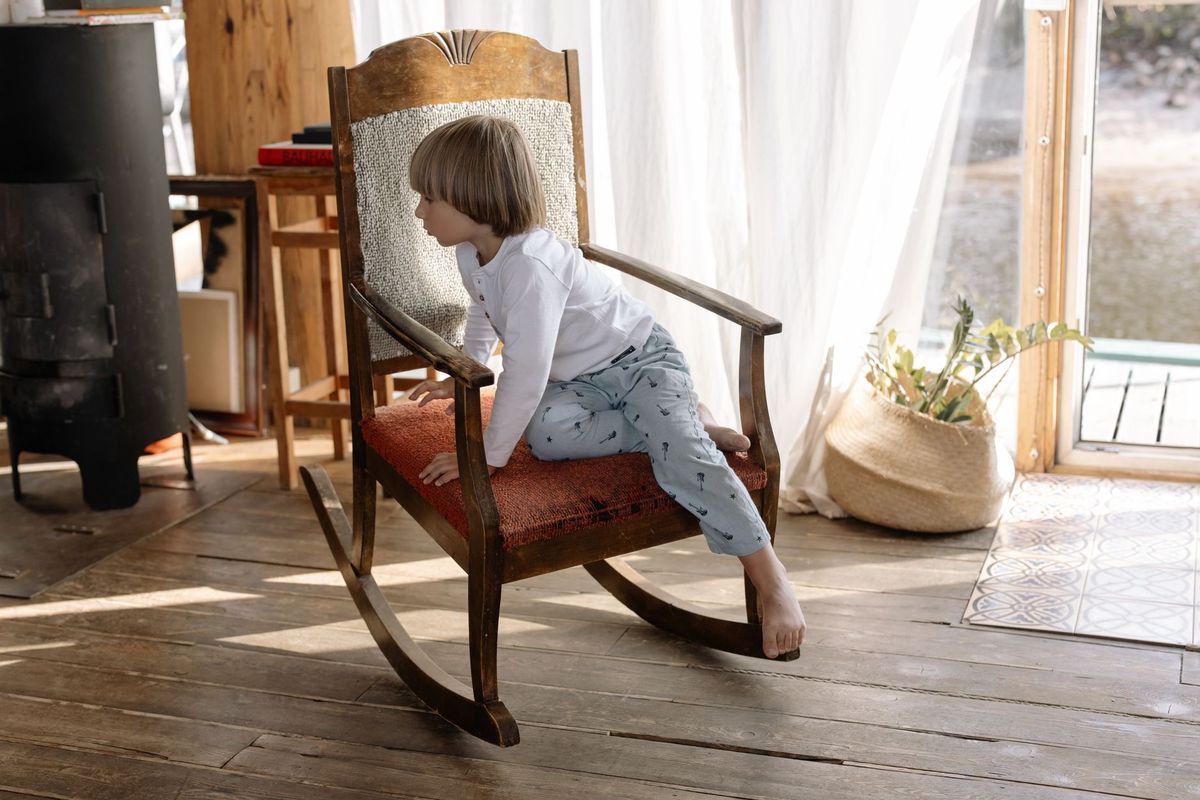
A slim wingback from a charity shop or online marketplace often offers more back support than a new budget chair, and the high back blocks draughts from old windows. Check the frame, the springs and the smell before you carry it upstairs.
Layer the light
One overhead bulb is the enemy of a reading corner. It flattens the space and throws glare across the page. Two sources at different heights work far better: a focused task light for the page and a softer ambient glow for everything else.
Position the task light so the light falls over your shoulder onto the book, not from behind you casting a shadow over the words, and not directly in your eyeline. A warm white bulb, somewhere around the warmer end of the range, is easier on the eyes in the evening than a cold, blue-white one. A shade that shields the bulb at eye level makes a real difference.
- A slim floor lamp tucked behind the chair's shoulder
- A wall light or plug-in sconce where floor space is precious
- A small table lamp on a side table or shelf for ambient light
- A rechargeable lamp if there is no socket within reach
If the corner has no nearby plug, a rechargeable table lamp or a battery wall light avoids trailing cables across the floor. A dimmer, or a smart plug on the lamp, lets you shift from reading brightness to a softer evening glow without moving from the chair.
Throws, cushions and floor texture
Hard chairs and bare walls make a corner feel like a waiting room. Texture is what softens it. One throw folded across the back or arm is enough; two at most if you like the look of a basket nearby. In a small chair, two cushions is usually the limit — any more and you will be shifting them onto the floor every time you sit down.
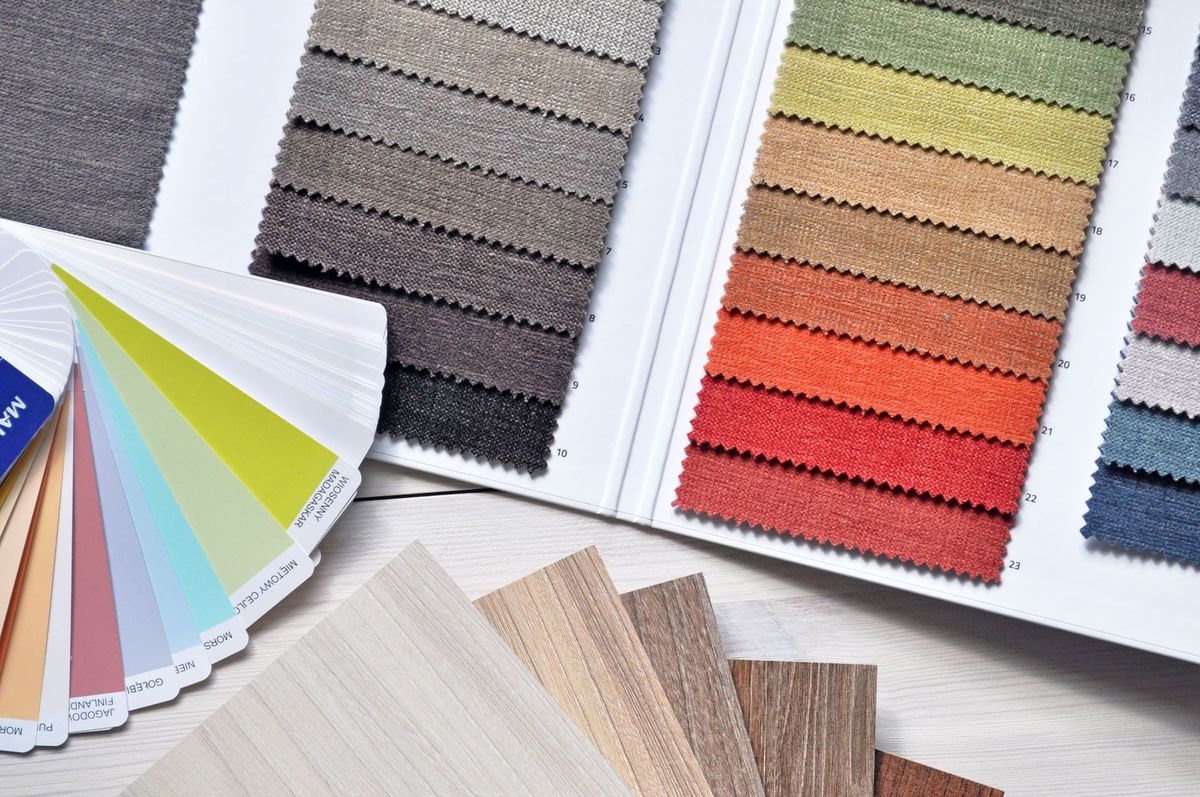
Mix textures rather than patterns: a knitted wool or bouclé cushion against a smooth linen one, a chunky throw over a tailored seat. For colour, pick a shade already present in the room and let that be the accent. Then add a small rug, even 60cm by 90cm. It anchors the chair, warms a wooden or tiled floor and defines the nook as a place rather than a gap. Choose a flat-weave or low-pile rug so a footstool sits steady on top.
Slim storage that earns its place
Reading corners have a habit of filling with paperbacks, magazines and half-finished cups of tea. A little storage keeps it calm. Choose one or two options from this list rather than all of them — the aim is a clear floor.
- A shallow bookcase, around 20–25cm deep, that holds paperbacks without jutting into the room
- A wall shelf or two at eye level for the books you are actually reading
- A small side table with a lower shelf, which doubles as a mug rest and book store
- A stacking stool or woven basket tucked beside the chair for magazines
- A wall hook or blanket ladder for the throw
- A fabric wall pocket for glasses, a notebook and charging cables
Small touches that finish the job
A tray on the side table stops clutter spreading: mug, glasses, phone, done. A plant that tolerates low light adds life, and a good artificial one is a perfectly reasonable choice in a dark corner. If you like scent, a diffuser is safer than a candle near fabric; if you do burn candles, keep them well away from throws and never leave them unattended.
Keep it a reading corner, not a storage corner
The difference between a nook that lasts and one that quietly reverts to a junk pile is a two-minute reset. Return the throw, take the mug back to the kitchen, and put anything that does not belong to reading into a basket or drawer. Make one rule for the household: nothing lives in that corner unless it is for sitting, reading or resting a cup on.
Finally, judge it by use rather than appearance. If you have not sat there for a fortnight, the problem is usually one of two things: the light is in the wrong place, or the chair is not as comfortable as it looked. Fix that and the corner will earn its square metre back many times over.
Photo: cottonbro studio / Pexels
You Might Also Like
Carpet, laminate, vinyl and engineered wood compared on durability, cost and maintenance — with practical advice on which flooring works best in each room of a busy family home.
A practical beginner's guide to transforming second-hand furniture: how to choose a solid piece, prep it properly, paint in thin coats, and seal it for a durable finish.